What’s Happening?
Doctors training to become specialist Rural Generalists completed intensive training in Townsville last week.
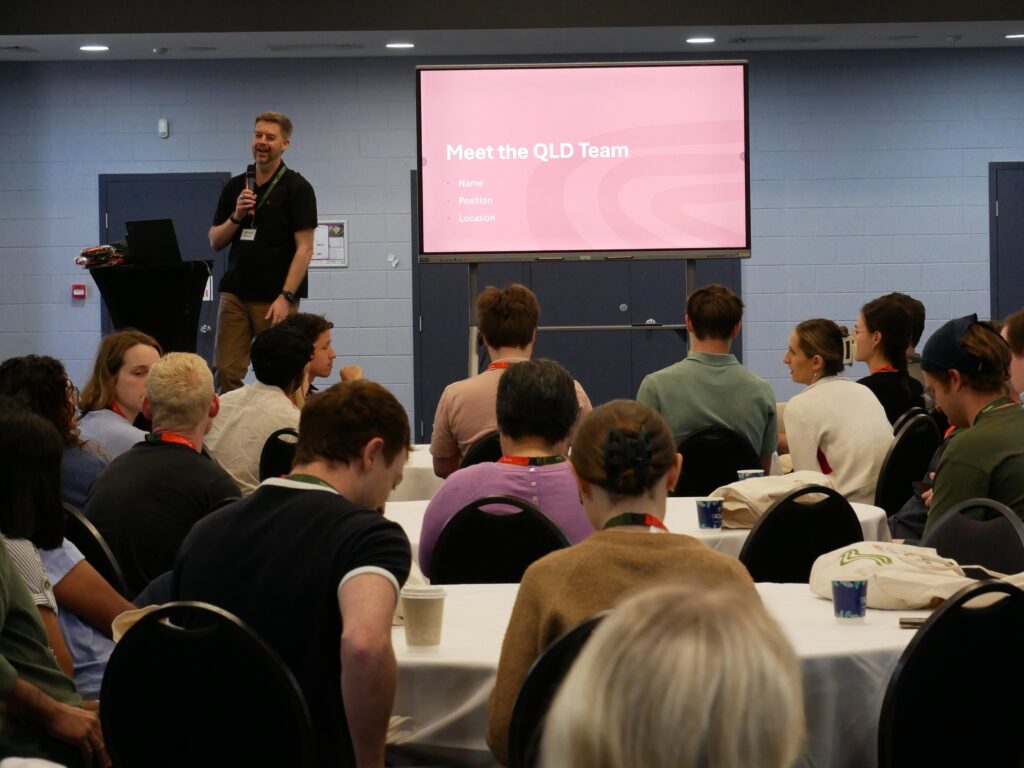
The Australian College of Rural and Remote Medicine registrar training brought together future Rural Generalists for practical workshops, simulation exercises and collaborative learning.
The post-event training was held at the Townsville Entertainment and Convention Centre on Entertainment Drive.
The sessions were listed for Tuesday 20 May and Wednesday 21 May, from 8am to 4.30pm.
Registrars took part in emergency response workshops, procedural skills training and practical presentations.
The training was designed to prepare them for rural, remote and First Nations communities across Australia.
Why It Matters?
Rural Generalists often work in communities with limited access to specialists and larger hospital teams.
ACRRM President Dr Rod Martin said the role requires an unusually broad medical skillset.
“Rural Generalists need perhaps the most diverse skillset in medicine because they are often delivering complex care in communities where access to specialists and large hospital teams can be limited,” Dr Martin says.
“This type of practical, immersive training helps registrars build confidence and capability in real-world scenarios they may face in rural and remote practice.”
The training focused on medical judgement, adaptability and practical skills needed outside metropolitan centres.
By The Numbers
- About 90 Rural Generalist registrars took part, showing the scale of future workforce training.
- The event included 15 experienced medical educators, giving registrars direct guidance from rural clinicians.
- The two-day program ran from 8 am to 4.30 pm each day, giving registrars full-day practical training blocks.
Local Impact
Townsville played a key role in preparing doctors for communities where medical care can be harder to access.
Townsville also became a meeting point for doctors from across Queensland.
All registrars travelled to the city from regional, rural and remote communities across the state.
The training connected registrars with expert medical educators and clinicians from rural settings.
It also reinforced Townsville’s role as a regional training centre for future rural and remote healthcare workers.
For regional Queensland, the training matters because workforce gaps remain a major concern outside major cities.
Zoom In
The workshops included emergency response simulations, procedural skills training and peer-led learning.
These activities reflected the challenges and rewards of practising medicine where doctors are most needed.
Dr Martin said the training is an important investment in rural health.
“Training future Rural Generalists is an essential investment in the future of healthcare for rural and remote Australia. Government funding of this training generates a return on investment like no other.”
He said strong training pathways are vital for communities across Australia.
“These doctors are the backbone of many rural, remote, and First Nations health services, and strong training pathways are critical to building and sustaining the workforce these communities rely on.”
Zoom Out
Rural Generalists provide a wide scope of care across Australia’s rural, remote and First Nations communities.
Their work can include urgent care, procedural medicine, primary care and hospital-based support.
Training programs like the Townsville workshops help registrars prepare for real conditions in smaller communities.
They also help build confidence before doctors take on broader clinical roles in areas with fewer health resources.
What To Look For Next?
The Townsville training is expected to support registrars as they continue preparing for rural and remote practice.
The skills tested last week may soon be used in communities where Rural Generalists are often relied on for urgent, complex and ongoing care.