What’s happening?
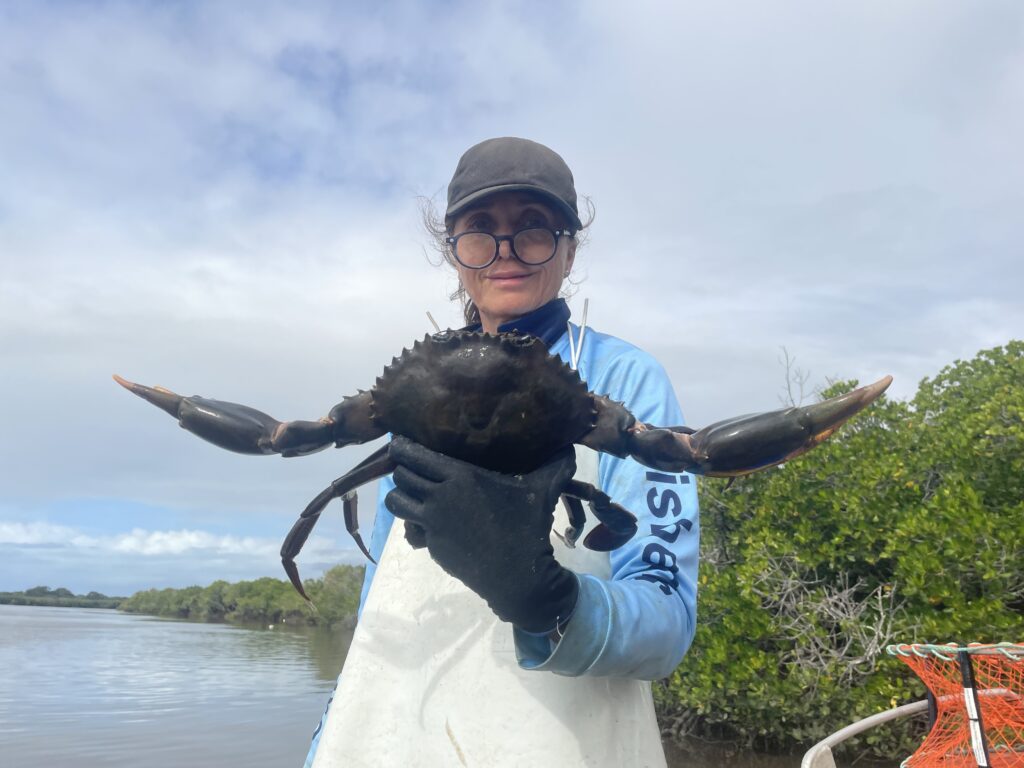
A new Queensland study has confirmed healthy giant mud crab populations. The research found no current threat to the species’ sustainability.
It backed the State Government’s male-only harvest policy and the 15 cm minimum size limit. The study assessed about 20,000 mud crabs using new genetic testing and satellite tags. The project was led by Queensland’s Department of Primary Industries with support from the Fisheries Research and Development Corporation.
Why it matters?
The study confirms that Queensland’s rules are protecting an iconic species. It gives communities and fishers strong assurance that the stock remains secure.
Local impact
Communities can take confidence in the strong population outlook. Summary results are on the FRDC website.
By the numbers
- The study examined about 20,000 giant mud crabs across Queensland, giving researchers a broad view of the stock.
- Queensland accounts for 64 percent of Australia’s commercial mud crab harvest, confirming the species’ importance.
- More than 90 percent of females were mated and preparing to spawn, which reflects healthy reproduction.
Zoom in
Dr Julie Robins said the project delivered meaningful insights. “Giant mud crabs are an iconic species and a vital part of Queensland’s fisheries, with our state accounting for 64 percent of Australia’s commercial harvest,” she said.
She said the genetic work was a significant success. “Queensland’s male minimum legal size limit ensures a proportion of mature males are available to reproduce, and over 90 percent of females sampled were mated and getting ready to spawn.”
Dr Robins added that the study built reference points that future planning will use. “This study has added tremendous value to our collective knowledge and laid the groundwork for future discussions about mud crab management in Queensland.”
She also praised commercial fishers. “The collaborative nature of this project, working side by side with the commercial fishers, was invaluable.”
Zoom out
The findings confirm that long-running rules continue to support a sustainable fisheries industry in Queensland.
What to look for next?
Future discussions about mud crab management will draw on the reference points created by this study.