What’s Happening?
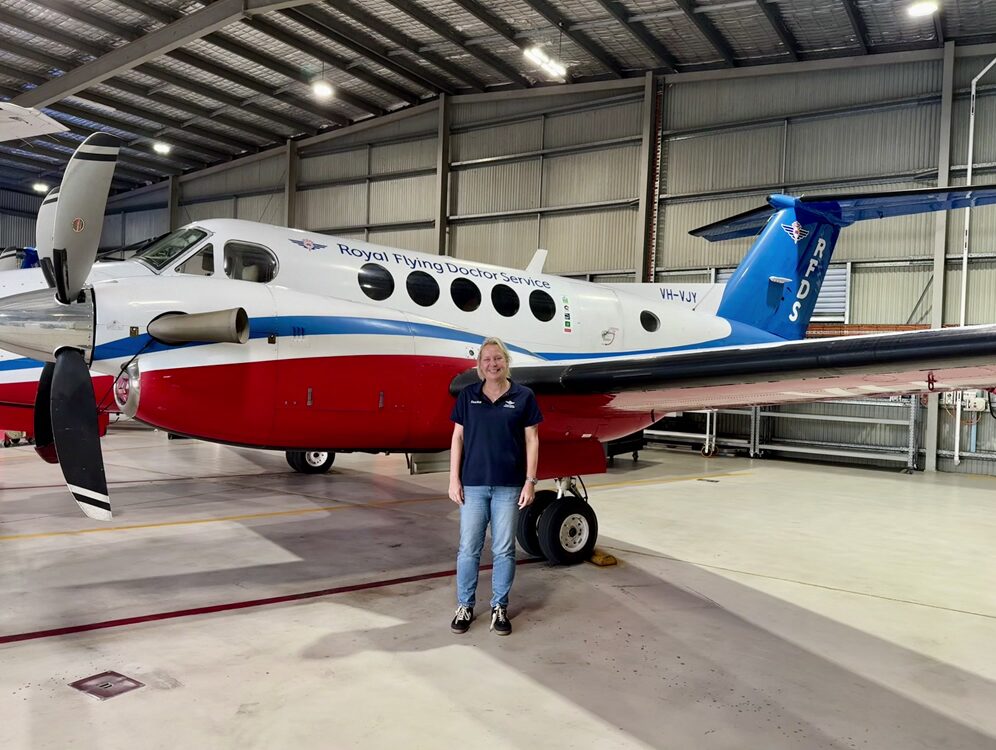
Flying Doctor planes and their life-saving clinicians are familiar symbols of emergency health care across rural and regional Queensland. Their aeromedical work remains vital, but emergency retrievals are only one part of the support provided across the state.
Primary health care clinics also deliver regular medical services in remote communities. Without these clinics, many residents would need to travel hundreds of kilometres for care.
The service helps people maintain their health, manage existing conditions and receive treatment closer to home.
Why It Matters
These clinics can identify health concerns earlier and help prevent chronic conditions from progressing. This is particularly important for diabetes and heart disease, which can require long-term treatment and monitoring.
Medical Lead Primary Health Care Dr Yvonne Doveren sees the service’s effects first-hand during every clinic.
“Good quality PHC will keep the people in the outback healthier and stop chronic issues like diabetes and heart disease from developing or progressing,” Dr Doveren said. “The work our teams do leads to a better quality of life for people and in doing so, lowers health care costs in the long run.”
Local Impact
The service reaches widely separated communities, from Eulo in south-west Queensland through Dajarra and as far north as Lockhart River. This coverage gives residents access to medical support without lengthy travel for every appointment.
The personal connection between clinicians, patients and families is also central to the service. Although staff fly into each location, regular visits allow them to know the people they treat personally.
Dr Doveren said watching a patient’s health improve alongside their family was incredibly rewarding.
“Even though we are fly-in staff, we’re a little bit of the community and seeing a patient improving and sharing in that with their family, is a great reward. It makes me smile every day.”
Her connection with remote medicine began after starting her career at a large hospital in Amsterdam.
“I started my career in a big hospital in Amsterdam and as soon as I started work in remote Australia, including the Kimberley, Aboriginal communities in the Northern Territory and here in western Queensland, it afforded me the chance to connect to the outback, its people, and practise medicine in the broadest sense of the word. I still love it.”
By The Numbers
- Teams completed 4,716 clinics last year across around 30 locations in rural and remote Queensland.
- More than 22,000 consultations were provided to people living across the service’s wide geographic coverage.
- Each team carries around 120kg of medical equipment for planned appointments and unexpected emergencies.
Zoom In
Maintaining community health remains the main focus, but clinic teams also manage critical incidents. Recently, a man arrived at the Gregory Downs clinic suffering from a snake bite.
His condition required an urgent aeromedical flight to hospital. Dr Doveren said emergencies on clinic days were common and could include snake bites or heart attacks.
“It’s actually very common to have an emergency happening on a clinic day whether it be a snake bite or a heart attack, these things happen,” Dr Doveren said. “All PHC doctors are trained for emergency situations and along with our highly trained nurses, are prepared to deal with whatever comes their way. We bring around 120kg of equipment with us to our clinics which means we are prepared for anything.
“Thankfully our aeromedical retrieval colleagues are only a phone call away.”
Zoom Out
Aeromedical retrievals attract public attention because they provide urgent care when patients face serious danger. Television networks have twice based Logie Award-winning series around the Flying Doctor’s life-saving work.
However, routine primary health care can reduce the likelihood that chronic health problems become critical. Together, clinic care and aeromedical support provide ongoing treatment and emergency responses for remote communities.
What To Look For Next?
Continued access to these clinics can help remote residents address health concerns earlier and manage chronic disease locally. Regular visits can also strengthen patient relationships, while trained teams remain ready for emergencies.
When hospital care is required, aeromedical retrieval colleagues remain available by phone to support urgent transfers.