What’s Happening?
James Cook University will welcome high school STEM students to its Townsville campus for practical neuroscience activities. Experienced brain-science specialists will lead workshops covering stress, brain imaging, anatomy, data and computer coding.
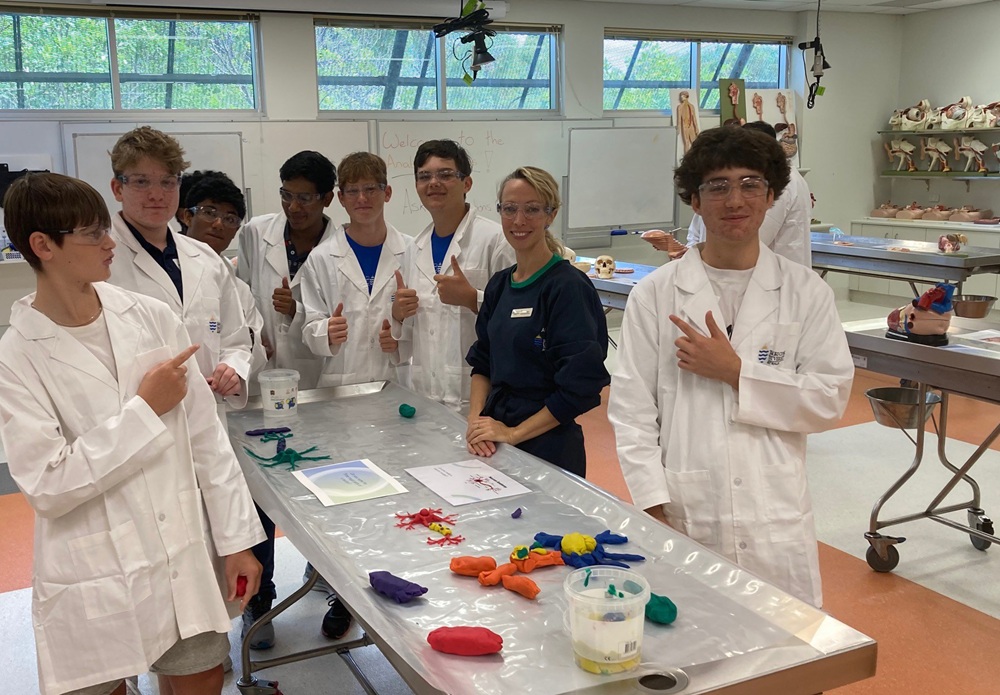
NeuroSTEM is designed to make science engaging through laboratory activities and hands-on experiments. Students will also learn about neuroscience study and career opportunities.
The program will build students’ understanding of the health effects of stress. It will also provide science-based coping tips from people working in brain and health research.
Why It Matters
Stress is a common experience for high school students, making it a practical starting point for neuroscience education. The program will explain what happens inside the brain and body when people face different forms of stress.
Students can connect classroom science with anatomy, brain imaging, data analysis and coding. This can build confidence while showing how scientific knowledge is used in research and health settings.
For students experiencing stress, the workshops will provide a clearer explanation of what may be happening inside their heads. They will also learn practical coping methods based on science.
Local Impact
Townsville students will gain direct access to JCU’s anatomy facilities, academics and brain-science specialists. The program allows local schools to connect students with practical science outside their usual classrooms.
The event also includes medical physics expertise from the Townsville Cancer Centre. This local connection shows how computer coding and brain data can support health research.
Students can also learn about university courses and careers without leaving Townsville. This access may make further neuroscience study feel more practical and achievable.
By the Numbers
- The program runs from 8 am to 4 pm on Saturday, 17 October 2026, at JCU’s Bebegu Yumba campus in Douglas.
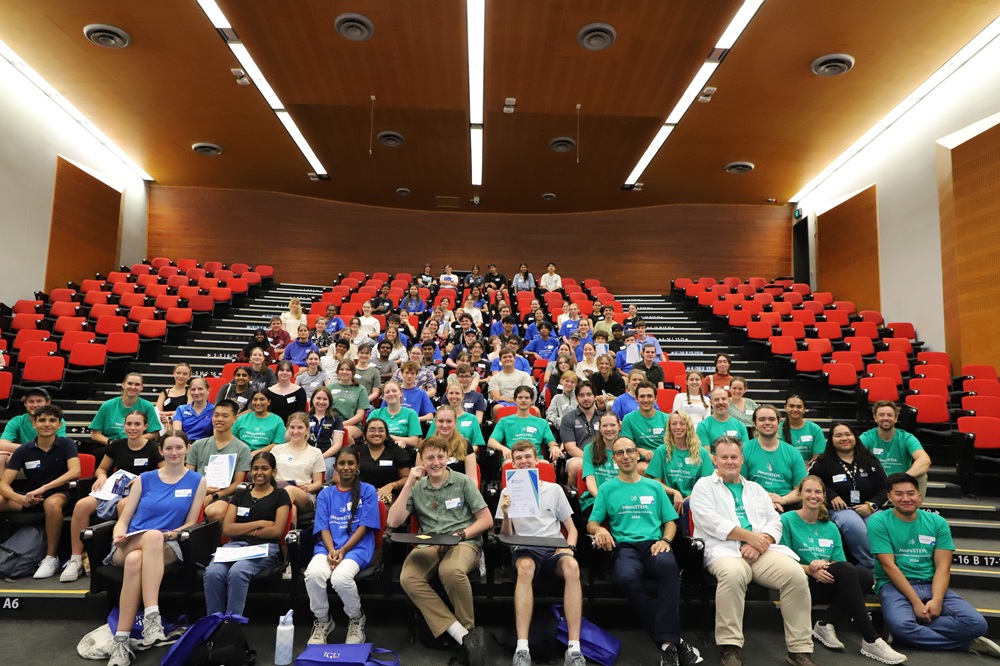
- Only 100 places are available for the free one-day program, placing a firm limit on attendance.
- Entry is restricted to Year 10 and Year 11 students, with schools nominating curious and capable participants.
Zoom In
Dr Liza van Eijk, a JCU psychology senior lecturer, will run a workshop on brain imaging and brain function. The session will explain how imaging helps researchers understand what happens inside the brain.
“Students will have the opportunity to see a real brain in JCU’s world-class anatomy lab, see a stress experiment, learn about different technologies to measure stress, and get an introduction to coding,” Dr van Eijk said.
Professor Zoltan Sarnyai, a medical doctor and neuroscience expert, will lead workshops on the body’s response to stress. Students can volunteer for an experiment showing how the body responds under different conditions.
“If students want to, they can be part of a hands-on experiment to demonstrate how the body reacts to different kinds of stress,” he said.
Professor Sarnyai said these reactions play an important role in helping people respond to changes around them.
“Students will learn that the ability of the body to react to stress is actually good – helping us to adapt to constantly changing environments.”
Dr Ashley Gillman will introduce another practical part of the program. Gillman is a radiation oncology medical physicist at the Townsville Cancer Centre.
The workshop will use computer coding to visualise brain data. Gillman will also explain the steps required to use that information in stress studies.
Using human cadavers, JCU’s Dr Alexandra Trollope will show students a real brain. The session will examine how stress can affect different regions of the brain.
Together, the workshops combine anatomy, psychology, medical physics, neuroscience and coding. Students will see how these areas can work together when researchers study stress.
Zoom Out
JCU leads NeuroSTEM with funding from the Margaret Roderick Centre for Mental Health Research. The Brain Healthy Schools Project at the University of Queensland also funds the program.
The broader aim is to connect STEM knowledge with practical settings while helping students consider future education and careers.
“The program helps students understand how STEM knowledge applies in real-world contexts, build confidence in their scientific skills, and explore potential future study and career pathways,” said Dr van Eijk.
What To Look For Next?
Enrolments are now open through JCU’s NeuroSTEM event page. Schools can nominate eligible students while places remain available.
Because attendance is limited, schools are encouraged to submit their nominations early. The program may encourage more Townsville students to consider neuroscience study and related careers after school.