What’s Happening?
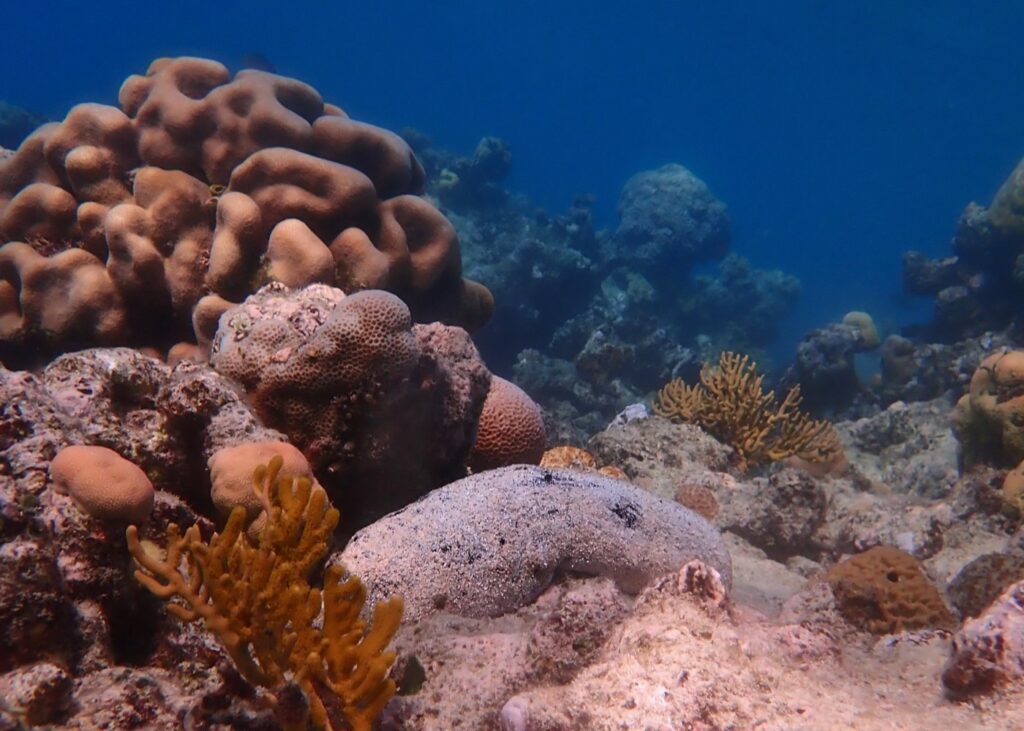
Scientists are warning that current harvesting of endangered black teatfish sea cucumbers may be unsustainable after Great Barrier Reef research revealed the animals can live for more than 100 years.
The Australian Institute of Marine Science-led study found the species lives far longer than previously assumed. Researchers say this means populations could recover much more slowly from fishing pressure.
The findings have prompted calls for fisheries management approaches to be reassessed and harvesting practices to become more conservative.
Why It Matters
Black teatfish are commercially harvested in Australia, the Pacific Islands and Southeast Asia. AIMS Senior Principal Research Scientist Dr Sven Uthicke said their unexpectedly long lifespan has implications for commercial fishery catch limits.
“These findings suggest black teatfish populations recover much more slowly from fishing pressure than previously assumed.”
Dr Uthicke said greater protection may be needed to preserve the species and its role in marine ecosystems.
“Harvesting needs to be a lot more conservative than it currently is if we are to avoid a possible extinction and preserve their important ecological functions.”
Black teatfish are classified as Endangered on the IUCN Red List and listed on Appendix 2 of CITES.
Local Impact
The research examined black teatfish living within a no-take zone of the Great Barrier Reef Marine Park.
AIMS said black teatfish occur throughout the Great Barrier Reef, while their Australian distribution extends to Western Australia.
Sea cucumbers also play an important role in tropical marine ecosystems by recycling nutrients and mixing sediment on the ocean floor. Recent studies cited by AIMS have also linked healthy sea cucumber populations with improved coral health.
By The Numbers
- 60% of recently sampled animals were the same individuals researchers sampled 24 years earlier.
- 33 of 55 animals were genetically matched with individuals sampled in 2000.
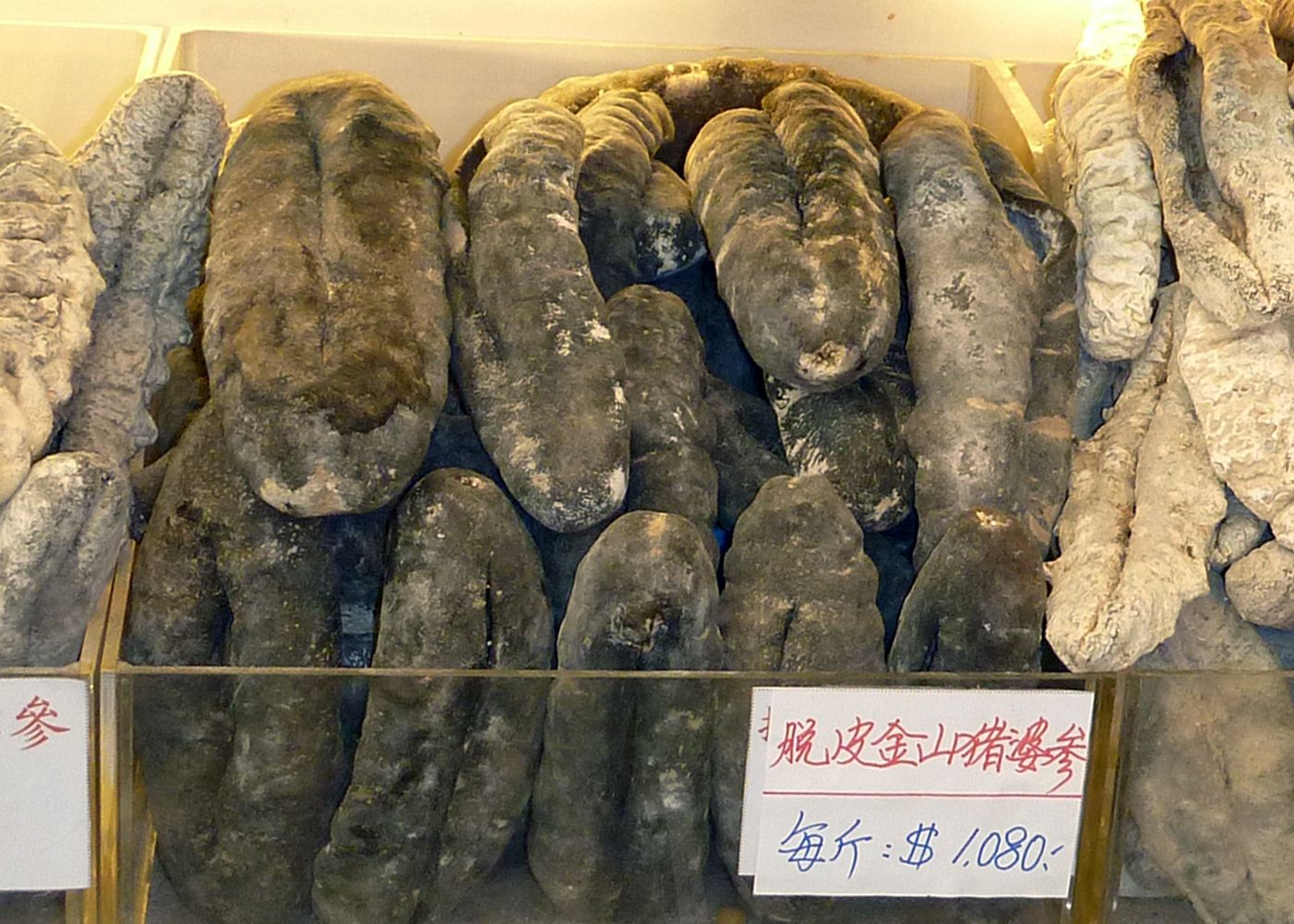
- More than AU$400 per kg is the reported price black teatfish can fetch in Hong Kong.

Zoom In
Researchers compared DNA samples from black teatfish collected in a Great Barrier Reef Marine Park no-take zone in 2000 with samples taken from the same location 24 years later. A small biopsy was taken from each animal before it was returned to where it was collected. Researchers initially thought finding three animals from the original survey would be remarkable.
“We collected 55 animals to sample and thought if we find three that were the same individuals as 24 years ago, that would be amazing,” Dr Uthicke said. “In fact, we found 60% (33) were the same as those sampled in 2000, and that really was a surprise.”
Modelling found the animals live for at least 24 to 27 years on average, while some can survive for more than 100 years. Many recaptured animals had grown very little during the 24-year period, while some had become smaller.
Zoom Out
Black teatfish are a highly valued delicacy, but AIMS said they are now seldom seen in Asian markets after wild stocks were overfished. University of Sydney Professor of Marine Biology Dr Maria Byrne said the species was in a perilous conservation position globally.
“The results of this study are a wake-up call to urgently increase their protection.” Southern Cross University Marine Science and Management Professor Steven Purcell said Australia should take heed of experiences elsewhere. “Pacific Island fishers say this species is now rarely seen on their reefs, and Australia should take heed to avoid overfishing this resource too.”
The research was led by AIMS in partnership with the University of Sydney and Southern Cross University.
What To Look For Next?
Researchers are calling for fisheries management approaches to be reassessed because current assumptions may overestimate how quickly tropical sea cucumber populations can replace harvested animals.
The study also calls for more conservative harvesting practices to protect black teatfish and their ecological functions.