What’s happening?
North Queensland graziers are being backed through a new project in the Einasleigh Uplands.
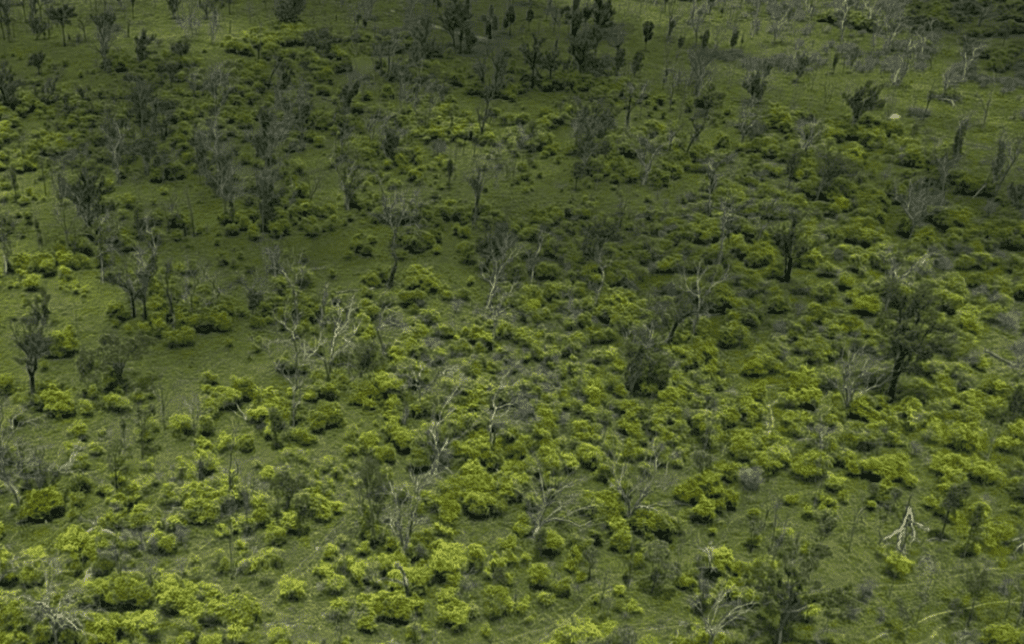
The Climate-Resilient Rangelands project will support grazing properties north of Charters Towers. It will focus on improving grazing land, wetlands and remnant patches of threatened softwood scrub.
The three-year project is being delivered by NQ Dry Tropics. It is funded through the Queensland Government’s Natural Resource Management Expansion Program.
Landholders will receive support to install infrastructure and adopt grazing management practices. The aim is to improve productivity while strengthening resilience as climate conditions shift.
Support will include technical advice, economic analysis, and help to trial, monitor and evaluate new practices.
Collaboration between landholders will also be a key part of the project. This is expected to improve efficiency and lift results across the landscape.
On-ground work has not started yet because of the wet season. However, aerial surveys are already underway to confirm sites and plan future works.
Why it matters?
The Einasleigh Uplands bioregion is a nationally listed biodiversity hotspot. It faces pressure from pests, weeds, wildfires and grazing impacts.
These threats can be too large for one landholder to manage alone. That is why broader cooperation matters in this part of North Queensland.
The project is designed to improve pasture health, reduce soil erosion and restore native vegetation. In turn, that should help protect productive grazing country and important habitat.
Healthier pastures can support native seed production and species that rely on groundcover. Restored wetlands can improve habitat for native and migratory birds.
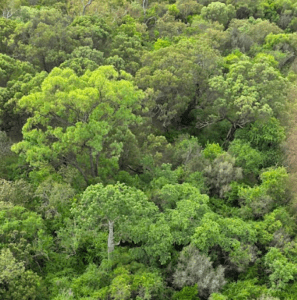
Rehabilitated softwood scrub can reduce fire risk. It can also provide a stronger habitat for species such as quolls.
Local impact
This project centres on grazing properties in the Upper Burdekin area, north of Charters Towers.
It gives local landholders practical support to respond to fire, weed and pest threats while improving the condition of their country.
It also builds on nearly a decade of previous work in the bioregion. That means some participating landholders have already worked with NQ Dry Tropics, while others will join for the first time.
For North Queensland communities, the project links environmental repair with productive agriculture. That matters for local landscapes, local livelihoods and long-term resilience.
By the numbers
-
The project will target 1,400 hectares of grazing land, giving landholders support to improve pasture condition and land resilience.
-
It will also improve 30 hectares of softwood scrub, a threatened dry rainforest that plays an important role in biodiversity and fire risk reduction.
-
Another 20 hectares of wetlands will be supported, helping protect habitat used by native and migratory birds.
-
The program runs for three years, giving time for landholders to test and assess new practices properly.
-
It carries a budget of $3.78 million, delivered by NQ Dry Tropics through state government funding.
-
The wider Queensland Government program is worth $117.84 million, showing the scale of investment in natural resource management.
-
NQ Dry Tropics works across a 146,000 square kilometre region that stretches from the Great Dividing Range to the Great Barrier Reef.
-
The organisation is one of 54 NRM groups in Australia and one of 12 in Queensland, placing this work within a larger national network.
-
NQ Dry Tropics was formed in 2002, and the new project builds on nearly a decade of work in the Einasleigh Uplands.
Zoom in
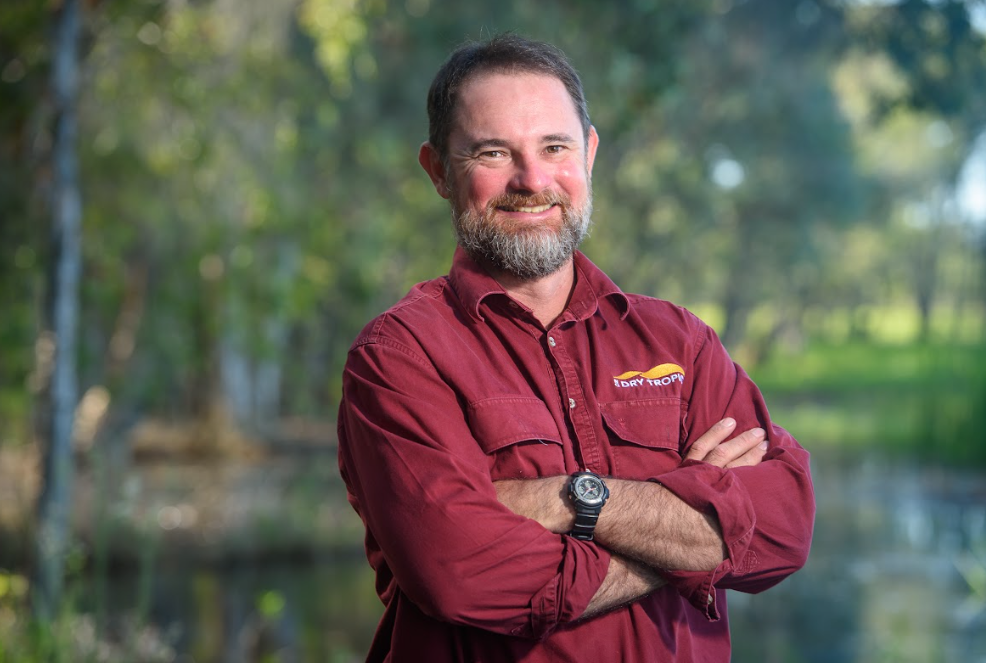
Senior Grazing Field Officer Chris Poole said the project would combine invasive species control with better grazing practices.
“Through targeted actions like weed and feral animal control, controlled burns, firebreak maintenance, and best-practice grazing management, the project aims to help landholders protect and strengthen their land, making it more productive, healthy, and resilient to a changing climate,” Mr Poole said.
He said support for grazing practice change would be practical and targeted.
“Activities to support grazing practice change will include installing infrastructure, such as fencing and off-stream watering points, extension, and education.
“Support will also be available to target infestations of woody weeds like Chinee apple, rubbervine and lantana.
“We look forward to continuing working with participating landholders who have hosted previous NQ Dry Tropics projects, and with others signing up for the first time.”
Zoom out
The project sits within the broader Burdekin Dry Tropics region, which links inland catchments to the Great Barrier Reef.
That region includes the Burdekin River catchment, the second biggest in Queensland, along with the Black, Ross, Haughton and Don catchments.
It is also home to many Traditional Owners and Custodians of Country, whose long connection to the region remains central to protecting natural resources.
NQ Dry Tropics says its work supports healthier landscapes, profitable primary production and stronger communities.
The group partners with landholders, Traditional Owners, science, industry, community groups and government on science-based projects.
What to look for next?
The next step will be on-ground works once wet season conditions ease.
That is expected to include infrastructure installation, weed and pest control, and further site-based support for participating landholders.
More landholders may also join as the project moves from surveys into active delivery.