More than 2,600 volunteers join Reef clean up across Queensland
More than 2,600 Queenslanders joined 153 Reef clean up events, removing over 2.2 tonnes of debris and collecting vital data.



More than 2,600 Queenslanders joined 153 Reef clean up events, removing over 2.2 tonnes of debris and collecting vital data.
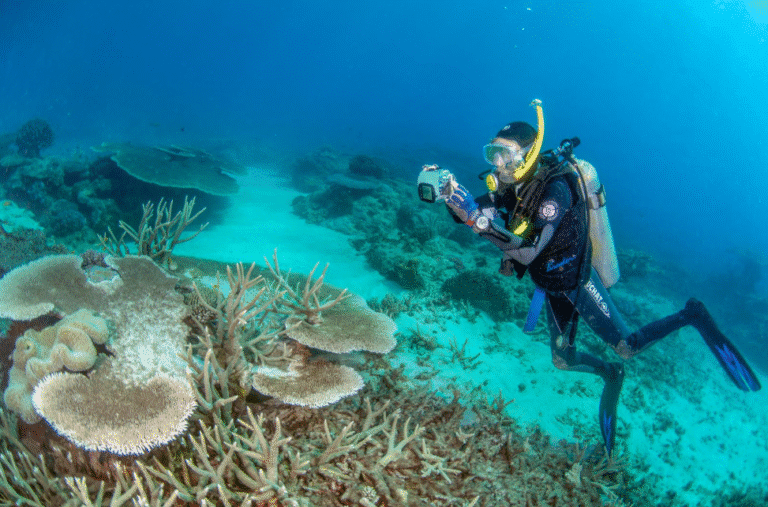
JCU’s TropWATER will lead a $7.5m reef partnership with NQ Bulk Ports Corporation to expand marine research and environmental training.
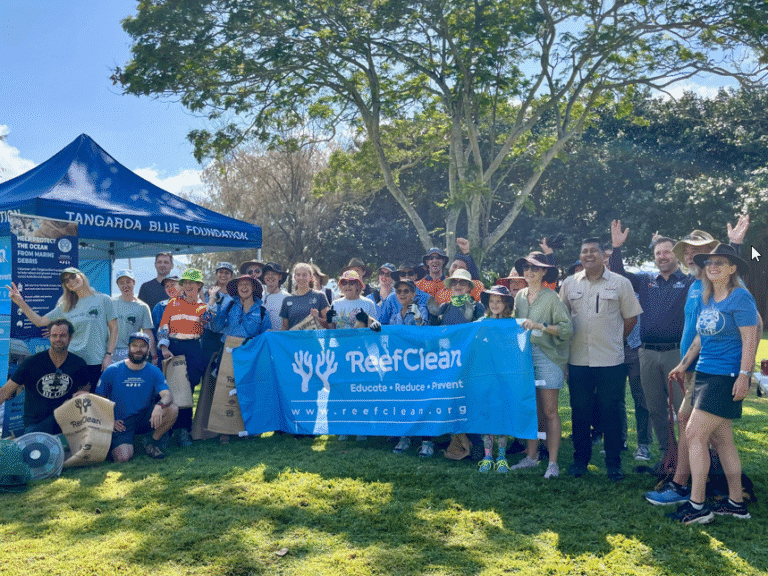
Volunteers launched the Great Barrier Reef Clean-up 2025 in Townsville, starting a month of clean-ups across Queensland.
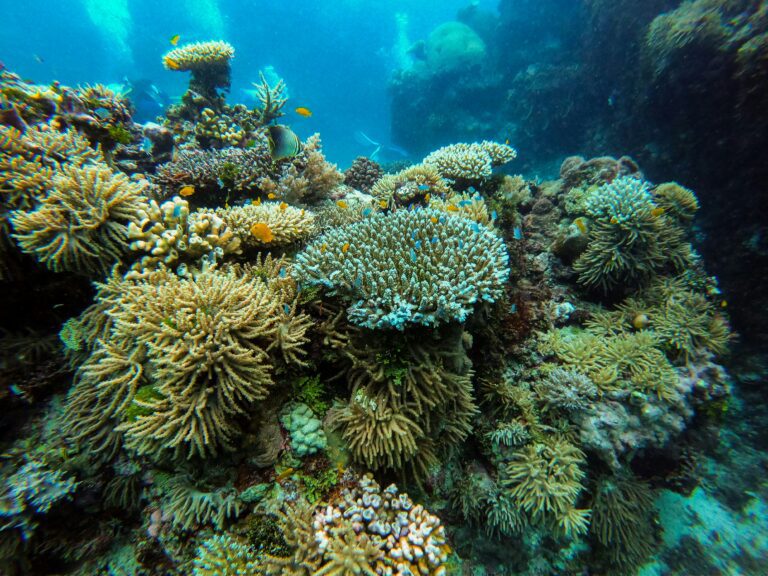
QUT and Southern Cross research shows seawater mist spray can protect reefs from bleaching with improved droplet and nozzle design.

Labor commits $10M to reef education, including $6M for school trips and $1M for local tourism upgrades.
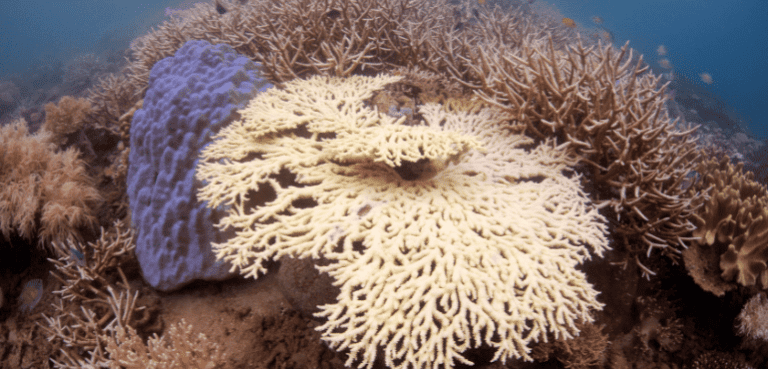
Amidst the crystal waters of the Great Barrier Reef, a subtle yet alarming shift is underway.
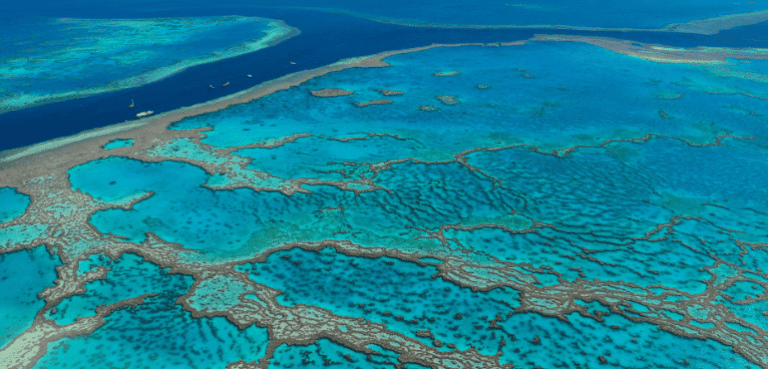
In the sun-kissed shores of Townsville, a scientific revolution is underway to save the Great Barrier Reef. As marine heatwaves intensify, researchers are breeding heat-tolerant corals, unveiling breakthroughs in coral microbiomes and microalgal symbionts.
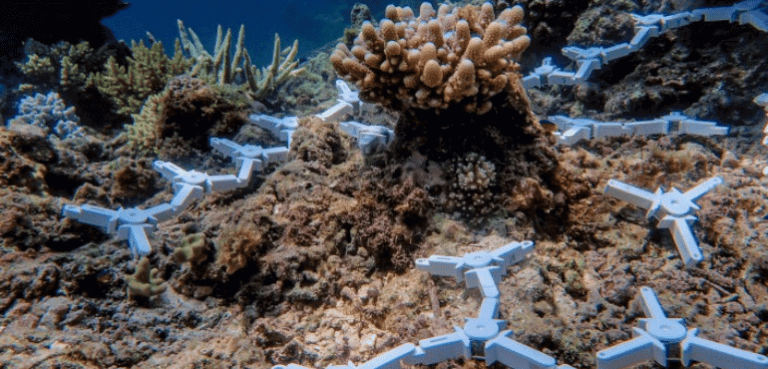
In a historic move towards reef restoration, scientists are embarking on the largest coral restoration trial ever attempted. Led by the Australian Institute of Marine Science (AIMS).
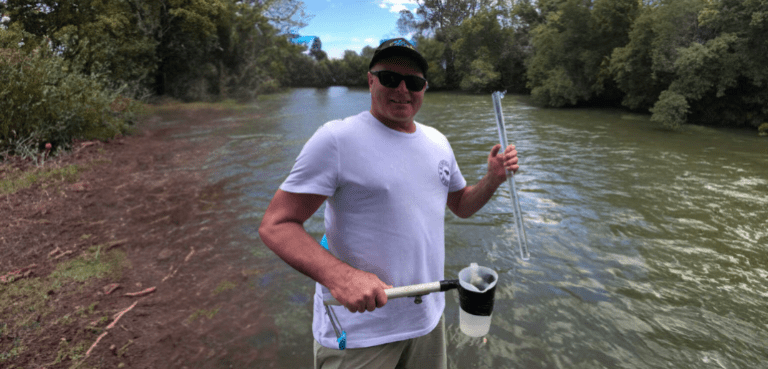
The Environmental DNA Project, a community-driven research initiative in Townsville, combines technology and science to uncover nature’s secrets, promoting a brighter, more sustainable future for aquatic life.
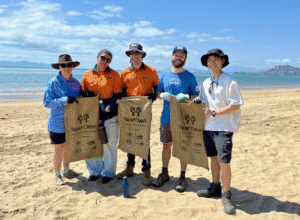
More than 2,600 Queenslanders joined 153 Reef clean up events, removing over 2.2 tonnes of debris and collecting vital data.
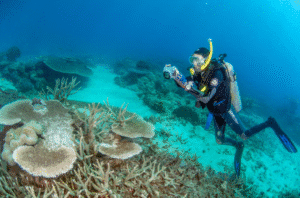
JCU’s TropWATER will lead a $7.5m reef partnership with NQ Bulk Ports Corporation to expand marine research and environmental training.
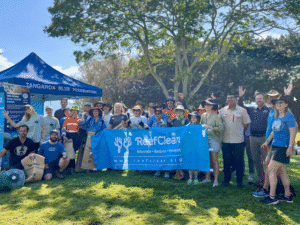
Volunteers launched the Great Barrier Reef Clean-up 2025 in Townsville, starting a month of clean-ups across Queensland.
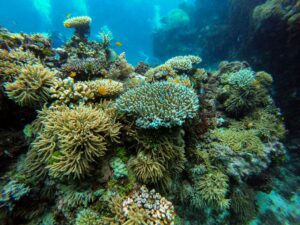
QUT and Southern Cross research shows seawater mist spray can protect reefs from bleaching with improved droplet and nozzle design.
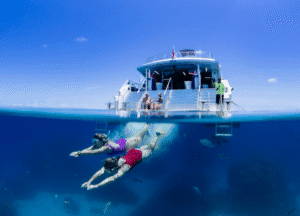
Labor commits $10M to reef education, including $6M for school trips and $1M for local tourism upgrades.
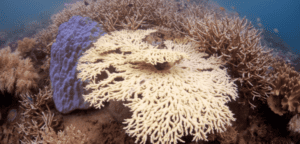
Amidst the crystal waters of the Great Barrier Reef, a subtle yet alarming shift is underway.
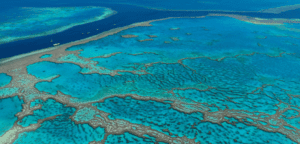
In the sun-kissed shores of Townsville, a scientific revolution is underway to save the Great Barrier Reef. As marine heatwaves intensify, researchers are breeding heat-tolerant corals, unveiling breakthroughs in coral microbiomes and microalgal symbionts.
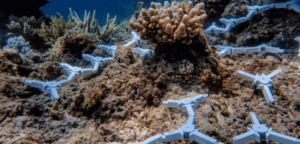
In a historic move towards reef restoration, scientists are embarking on the largest coral restoration trial ever attempted. Led by the Australian Institute of Marine Science (AIMS).
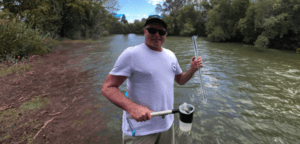
The Environmental DNA Project, a community-driven research initiative in Townsville, combines technology and science to uncover nature’s secrets, promoting a brighter, more sustainable future for aquatic life.
More than 2,600 Queenslanders joined 153 Reef clean up events, removing over 2.2 tonnes of debris and collecting vital data.
JCU’s TropWATER will lead a $7.5m reef partnership with NQ Bulk Ports Corporation to expand marine research and environmental training.
Volunteers launched the Great Barrier Reef Clean-up 2025 in Townsville, starting a month of clean-ups across Queensland.
QUT and Southern Cross research shows seawater mist spray can protect reefs from bleaching with improved droplet and nozzle design.
Labor commits $10M to reef education, including $6M for school trips and $1M for local tourism upgrades.
Amidst the crystal waters of the Great Barrier Reef, a subtle yet alarming shift is underway.
In the sun-kissed shores of Townsville, a scientific revolution is underway to save the Great Barrier Reef. As marine heatwaves intensify, researchers are breeding heat-tolerant corals, unveiling breakthroughs in coral microbiomes and microalgal symbionts.
In a historic move towards reef restoration, scientists are embarking on the largest coral restoration trial ever attempted. Led by the Australian Institute of Marine Science (AIMS).
The Environmental DNA Project, a community-driven research initiative in Townsville, combines technology and science to uncover nature’s secrets, promoting a brighter, more sustainable future for aquatic life.